

KRONOS ELITE
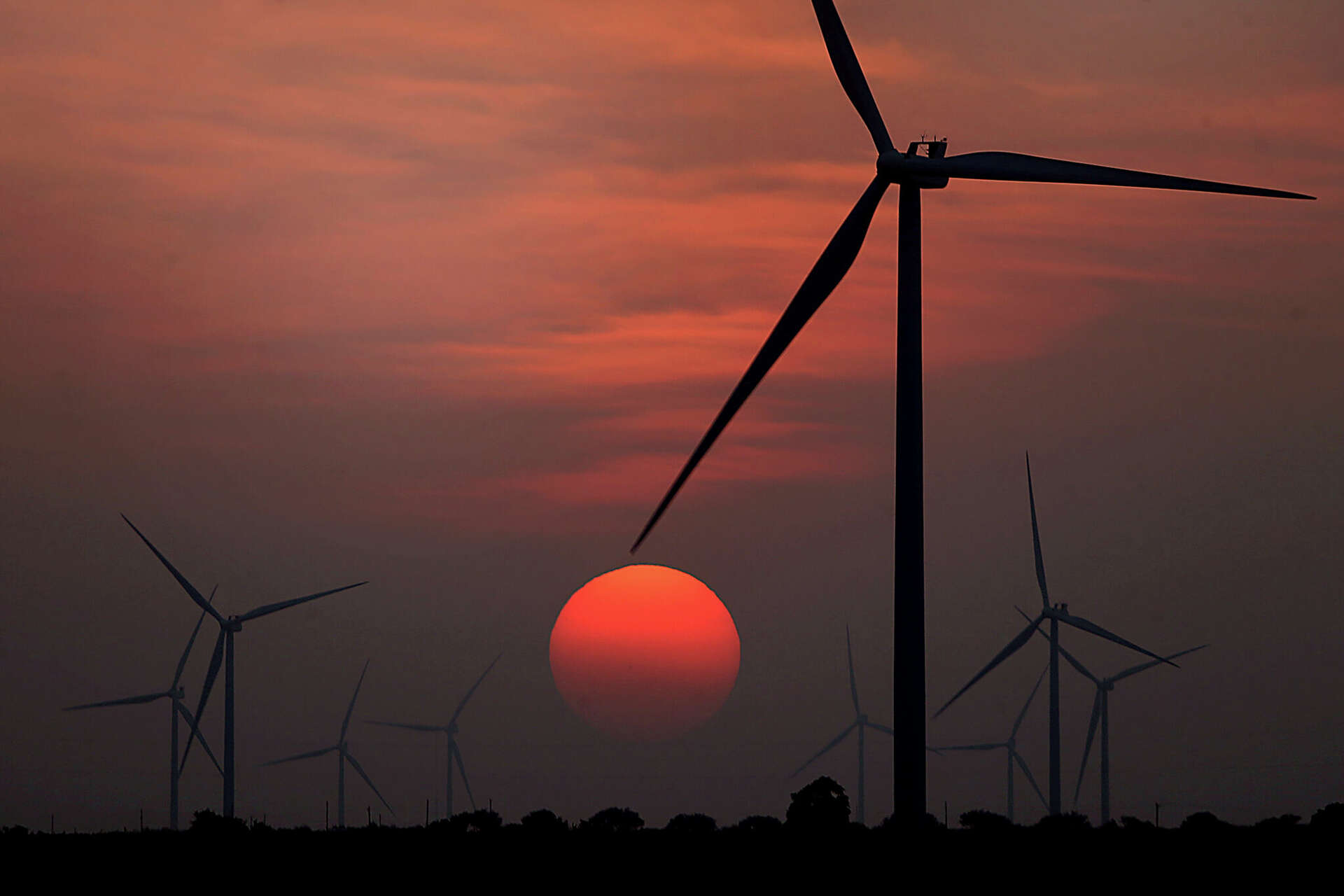
The Department of Defense has stalled 165 onshore wind projects, including 54 in Texas, according to data reported by the American Clean Power Association. Dozens of Texas wind projects are at a standstill as they wait for the Department of Defense to sign off on the federal permits needed for them to move forward. The Lone Star State has 54 wind projects that are stalled as part of a larger, nationwide delay of 165 onshore wind projects, according to data reported by the American Clean Power Association. The projects are on pause as the DOD reviews them, a process done to ensure turbines don’t hinder military operations. But energy experts like Environment Texas Executive Director Luke Metzger see the lag in approved wind projects, which was first reported by the Financial Times, as the next move in the Trump administration’s war on renewables. “It’s hard to see this as anything other than an effort to slow or stop wind power regardless of the consequences for consumers, the environment and grid reliability,” Metzger said. The permitting process requires any structure 200 feet or higher to be evaluated by the Federal Aviation Administration, followed by the military, which has to ensure that a project would not affect military airspace. This process is exemplified in Texas, which leads the nation with the most wind projects and also has a sizable military presence, particularly in San Antonio. The DOD has 60 days to oversee the review, which has to happen before the Federal Aviation Administration can issue its final determination. But the department hasn’t approved a wind project since August of last year, and in April, the DOD canceled all meetings with wind developers waiting on clearance, the trade association told the Texas Tribune. The DOD didn’t immediately reply to a Hearst Newspapers request for comment in time for publication, but in a statement to the Texas Tribune, a department official said it was still evaluating the projects. The department’s evaluation of wind turbines “is inherently complex and time-consuming because it involves balancing two critical, and sometimes competing, interests: developing energy sources while ensuring military operations and readiness are not degraded or impaired to the extent an unacceptable risk to national security is created,” the official said. But Jason Grumet, CEO of ACP, told the Associated Press that there has never been anything remotely comparable to a backlog of this size or a near-systemwide halt in transmittals back to FAA. In a 2024 report to Congress, the Department of Energy stated that “the development and use of radar interference mitigation techniques, and collaboration both among federal agencies and between the federal government and the wind industry have enabled federal radar agencies to continue to perform their missions without significant impacts.” The report also noted the significant wind energy deployments throughout the nation, which produced more than 9% of the nation’s electricity in 2021. Bailey Rosen, deputy director of communications for the American Clean Power Association, explained that the delay in issuing permits is affecting at least 21 states and a total of $54 billion in capital investment. “This indefinite pause could put at least 30 gigawatts of wind energy projects at risk,” Rosen said. “Not allowing the U.S. to construct new wind would cost our electricity grid an extra $361 billion over the next 25 years.” There are about 150,000 potential jobs tied to the projects, Rosen said — 40,000 direct positions and 110,000 supporting jobs. The U.S. Bureau of Labor Statistics found that wind turbine service technician positions are expected to be the fastest-growing job in the nation for a 10-year period spanning 2024-34. The effects of this delay is heightened by a surge of energy demand across the nation and in Texas, with San Antonio’s city-owned utility preparing for the possibility of grid demand quadrupling by 2032. “Texas needs more electricity,” Metzger said. “Wind power is one of the fastest, cleanest and cheapest sources we can build.” Wind makes up nearly 10% of CPS Energy’s current generation portfolio, producing enough energy to power more than 280,000 homes. CPS Energy said it’s looking into how the delay in permits could affect the utility in the future, but its current wind contracts aren’t affected since they’re all with existing facilities, a CPS spokesperson said. The delay in federal permits follows the administration’s efforts to squash five East Coast offshore projects last year, though the American Clean Power Association said that all projects have since resumed construction.

According to The Wall Street Journal, Elon Musk‘s SpaceX and the Pentagon are discussing a leasing agreement under which the company would rent computing capaci...
Read More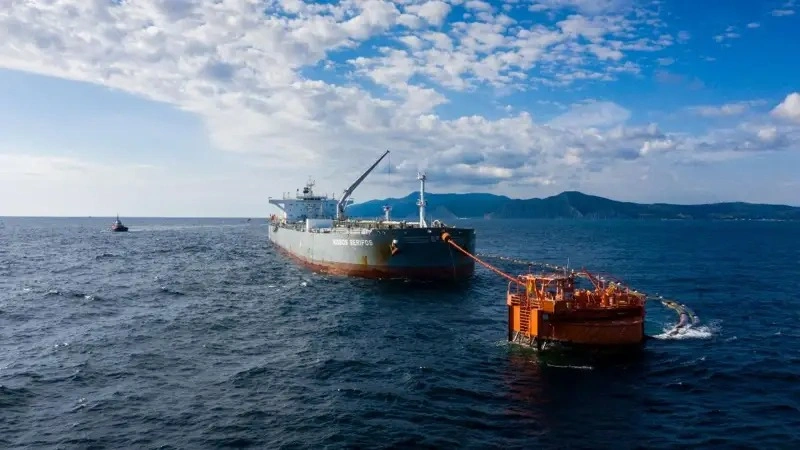
At the Marine Terminal of the Caspian Pipeline Consortium (CPC), two tankers carrying Kazakh oil were struck by drones, forcing a suspension of loading operatio...
Read More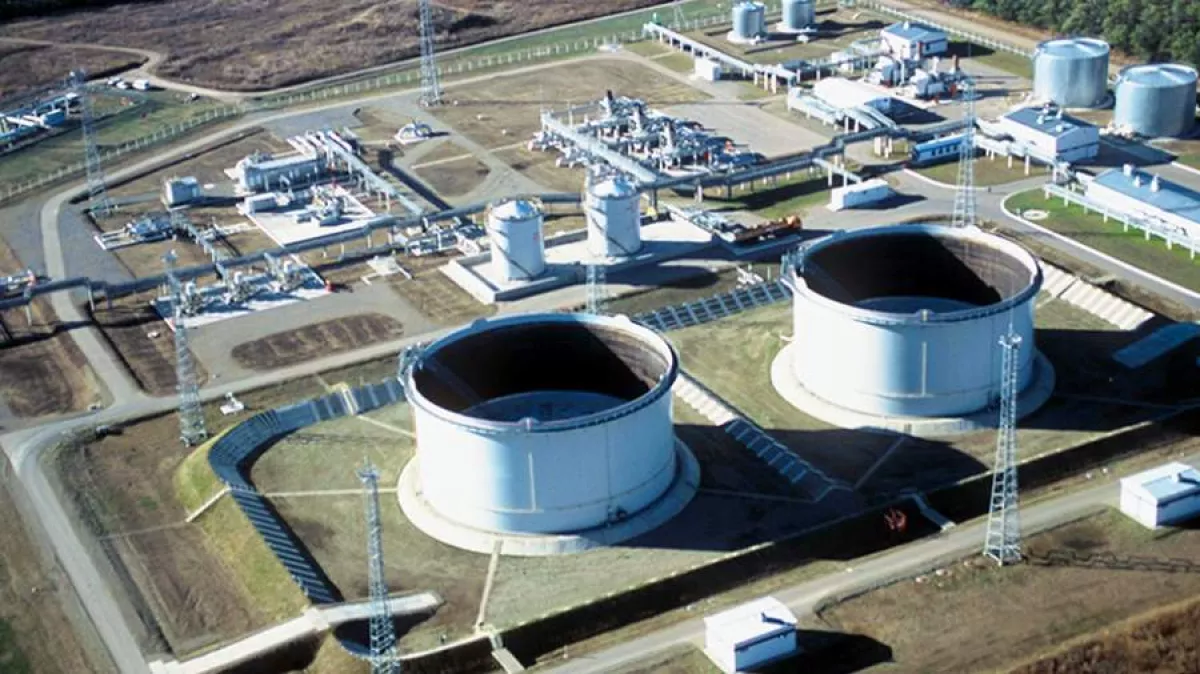
July 2026 13:26 The marine terminal of the Caspian Pipeline Consortium (CPC) came under a drone attack, the consortium said. According to the CPC, oil loading o...
Read More
Space photovoltaic cover glass produced by SCHOTT, a Germany-based manufacturer of radiation-resistant cover glass for satellite solar cells. Credit: SCHOTT WAS...
Read More
Kronos Elite delivers intelligence-informed protective services, training, and operational support for governments, multinationals, and critical-infrastructure operators in elevated-risk environments worldwide.
© Kronos Elite — Operations conducted in accordance with applicable international and national law. Compliance statement.